👁 Views: 9,827
🌍 Waste not, want not: A smart proverb about saving and sharing!
🌟 Waste Not Want Not Proverb For Kids: A smart saying about saving!
Welcome, little savers! Today we are learning the wise waste not want not proverb for kids! Have you ever thrown away food that you did not finish? Or maybe you left the water running while brushing your teeth? This old proverb, however, teaches us something very important about being careful with what we have. In fact, it tells us that if we do not waste things, we will not run out of them later. Moreover, this proverb helps us understand the value of food, water, money, and everything we use every day. Now, let us discover what this wise saying really means and how it can help you become a more careful and thoughtful person!
For example, imagine you have a box of crayons. If you use them carefully and put the lids back on, they will last a long time. But if you leave them in the sun or break them, you will run out quickly and want more!
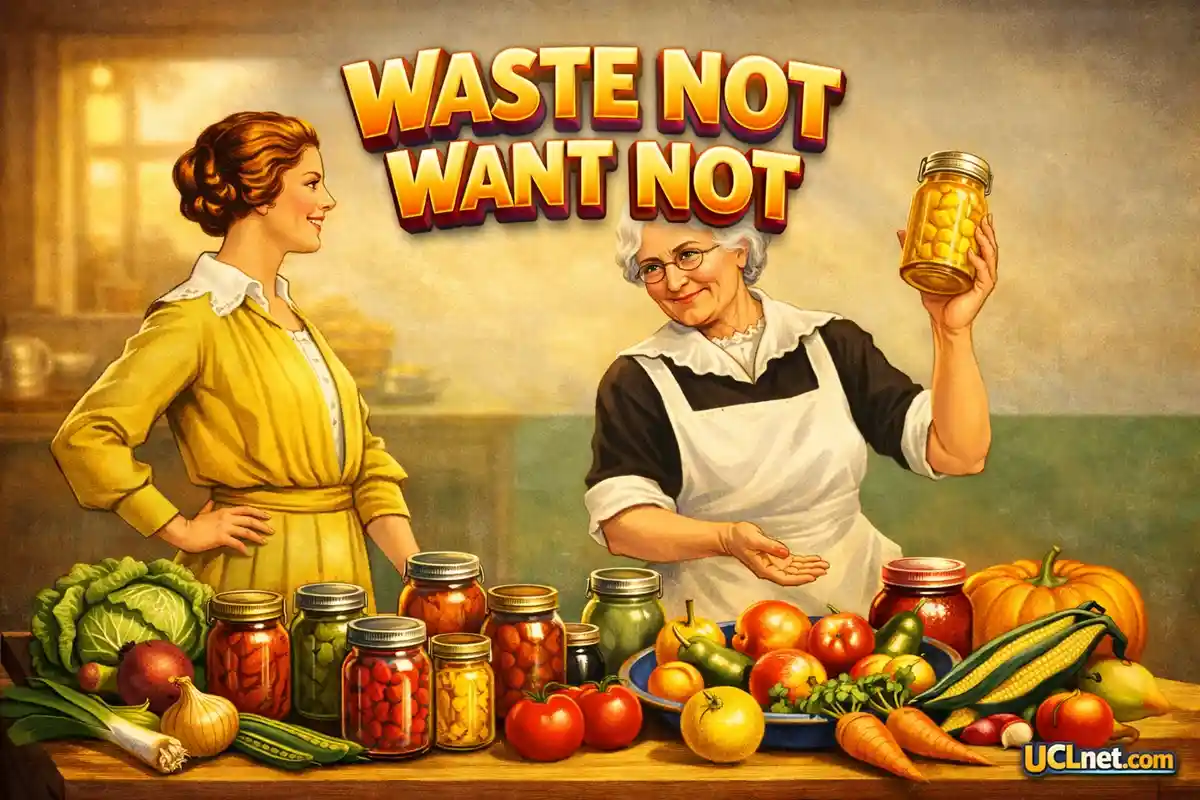
🌱 Waste Not Want Not Proverb For Kids: What does this wise saying mean?
To begin with, this proverb has a very practical and important message. Basically, it means if we do not waste things, we will not be in need later. In other words, being careful with what we have today helps us have enough tomorrow. Consequently, this saying encourages us to use our resources wisely. Moreover, it teaches us to appreciate everything we have and not take things for granted. Specifically, the waste not want not proverb for kids reminds us that saving food, water, money, and other resources is a smart and kind thing to do. For example, if you save half of your snack for later, you will not be hungry before dinner!
📖 Waste Not Want Not: A fun short story about saving
Initially, there was a boy named Tom who loved to waste things. He always left the lights on, threw away half-eaten food, and wasted paper. Unfortunately, his mom told him many times to be careful, but he did not listen. Then, one day, a big storm came and the power went out for a whole week. Immediately, Tom learned an important lesson. He had no food saved and no candles ready. However, his neighbor, who always saved things, had plenty to share. As a result, Tom promised to never waste things again. Eventually, he became a careful boy who saved everything he could. Therefore, Tom learned that waste not, want not is a very wise saying to live by!
🎨 Understanding waste not want not: Meaning and opposite
Literally, this proverb means if you do not waste things, you will not be in need. In reality, it is a reminder to be careful with resources and appreciate what we have. On the other hand, the opposite of this saying would be: “Waste everything and you will have nothing” or “Use as much as you want without thinking.” However, that leads to running out of things quickly! Notably, the waste not want not proverb for kids is all about being smart, thoughtful, and grateful for what we have.
Summary Box: If you do not waste things, you will always have enough. Be careful and grateful for what you have!
| Category / Source | Detailed Description & Definition |
|---|---|
| Proverb Meaning | Being careful with resources prevents future shortages and needs. |
| Literal Meaning | If you do not throw things away, you will not be in need later. |
| Possible Opposite | Wasting everything leads to having nothing when you need it. |
| Dictionary Definition | A wise proverb about saving and using resources carefully to avoid shortage. |
🔊 Waste Not Want Not Proverb For Kids: Pronunciation and simple examples
To begin with, the pronunciation guide is: /weɪst nɒt wɒnt nɒt/. Next, let us look at some simple sentences to understand this proverb better:
• First, my grandma always says, “Waste not, want not,” so I always finish my food.
• Second, I turned off the lights when I left the room because I remembered, waste not, want not!
• Finally, remember this proverb: waste not, want not. Saving things today means having enough for tomorrow!

💬 Waste Not Want Not: Short dialogue for kids about saving
Mia: I am going to throw away the rest of my sandwich. I am not hungry anymore.
Leo: Wait, Mia! Remember the proverb: waste not, want not.
Mia: What does that mean again?
Leo: It means you should not waste food. You can save it for later or share it with someone hungry.
Mia: You are right! I will wrap it up and eat it later.
Leo: Good choice! Saving things today means you will have enough tomorrow!
📜 The Ancient Roots of “Waste Not, Want Not”
The proverb waste not, want not has a very long history that goes back hundreds of years! Let us explore where this wisdom came from.
🏴 Early English Roots
This proverb first appeared in English in the 1500s. In 1576, a version called “Willful waste makes woeful want” was written down. In 1772, the proverb “Waste not, want not” became popular in England. People used it to teach the importance of being careful with food and resources.
🕌 The Wisdom of Saadi, the Persian Poet
Interestingly, hundreds of years ago, the famous Persian poet Saadi wrote a beautiful poem about this exact idea. He taught that being satisfied with what you have makes a person truly rich inside! He said: “Being happy with little things makes a person strong and truly wealthy, while being greedy makes a traveler feel lost and empty.” This shows that the wisdom of not wasting is valued in many cultures around the world!
🌍 A Universal Lesson
Many cultures around the world have similar sayings about saving and not wasting. This proverb teaches that being careful with resources today prevents shortage tomorrow. It reminds us to appreciate what we have and share with others.
💡 Lesson: Saving food, water, and resources today means having enough for tomorrow. Every little bit counts!
⚙️ Where to use waste not want not for kids: Different meanings and grammar tips
📍 How to use the proverb waste not want not in different situations
Interestingly, the proverb waste not, want not can be used in many situations! For example, at meal times, it reminds us not to waste food. At school, it encourages us to use paper carefully and not throw away supplies. At home, it means turning off lights and saving water. The message is always the same: be careful with what you have!
Let us look at these colorful real-life examples:
- The Craft Room: Save the colorful paper scraps left over from your drawing projects. You can easily use them later to make a beautiful holiday card!
- The Kitchen Table: Always eat your leftovers on time instead of letting them spoil in the refrigerator.
- The Park: Turn old plastic bottles into cool new playground toys instead of throwing them away!
📝 Grammar tips for waste not want not
Regarding grammar, the proverb waste not, want not uses two negatives (“not”) to emphasize the message. Furthermore, children can use this proverb to remind themselves and their friends to be careful, whereas adults might use it in conversations about money, food, or saving resources.
⚠️ Common mistakes to avoid
Some children might say “waste not, want not” but not understand its meaning. Always remember it is about being careful and saving things. Another common mistake is thinking this proverb means you can never throw anything away. It means you should think before you waste!
📚 Mini-dictionary for new vocabulary
| Word | Simple Meaning for Kids |
|---|---|
| Proverb | An old and wise saying that teaches us something important. |
| Waste | To use or throw away something without getting good use from it. |
| Want | In this proverb, it means a state of needing or lacking something. |
| Resource | Something useful that we have, like food, water, or money. |
| Thrifty | Being very careful and smart with your money and materials. |
| Save | To keep something for later instead of using it all now. |
| Grateful | Feeling thankful for what you have. |
| Careful | Taking care not to damage or waste things. |
🔗 Synonyms and related phrases
Here are some similar sayings that have the same wise message:
• A penny saved is a penny earned (saving money is valuable)
• Save for a rainy day (keep things for when you need them later)
• Don’t throw away what you might need tomorrow (think before wasting)
• Be careful with what you have (appreciate your belongings)
• Reduce, reuse, recycle (ways to avoid waste)

👨👩👧 Parents and teachers guide for teaching waste not want not proverb for kids
For example, educators can introduce this proverb when discussing saving money, caring for the environment, or being grateful. Above all, keep it practical so children understand how to apply it in their daily lives. In addition, remind them that the waste not want not proverb for kids is about being thoughtful and careful, not about being greedy.
🎯 Fun classroom and home activities
🏃 Class game: Create a “saving challenge” where kids find ways to save food, water, or energy for one week.
🎨 Home task: Ask kids to draw a picture of how they can save resources at home and write the proverb underneath.
🎭 Acting time: Have children role-play situations where they practice saying “waste not, want not” to help someone save things!
❓ Questions parents and teachers often ask
Q: Is this proverb too old-fashioned for children?
A: Not at all! The message about saving and not wasting is more important now than ever.
Q: How can I make this proverb fun for kids?
A: Use games, challenges, and stories about characters who learn to save and share!
Q: Should I correct my child if they say it wrong?
A: Gently, yes! You can say “Great try! Remember we say ‘waste not, want not’.”
📝 Worksheet quiz about waste not want not proverb for kids
To sum up, test your knowledge of this wise proverb with this fun quiz! Parents and teachers can use it to check learning.
Click here to show Answer Key
1. If you don’t waste things, you will have enough later
2. Proverb
3. want not
4. Waste everything and run out
5. To throw away without good use
6. False
7. Turning off lights when leaving a room
8. Finishing all your food so nothing is wasted
9. Being careful with money and resources
10. Turning off the tap while brushing teeth
❓ Frequently asked questions about saving and sharing
Q: Can young children understand this proverb?
A: Absolutely! With simple examples about food, toys, and water, even children as young as five can understand the idea of not wasting.
Q: Is this proverb used in everyday conversation?
A: Certainly! Parents and teachers often use it when teaching children about saving money and resources.
Q: Can kids use this proverb with their friends?
A: Of course! It is a great way to remind friends to be careful with what they have.
Q: What is the best age to start learning this proverb?
A: Generally speaking, around age six or seven is perfect, but younger children can also enjoy the stories behind it!
📚 Explore More Money Proverbs for Kids
Want to become even smarter with your money? Check out our full collection:
📚 Explore More Related Lessons
Want to practice more? Check out our special categories: