👁 Views: 2,270
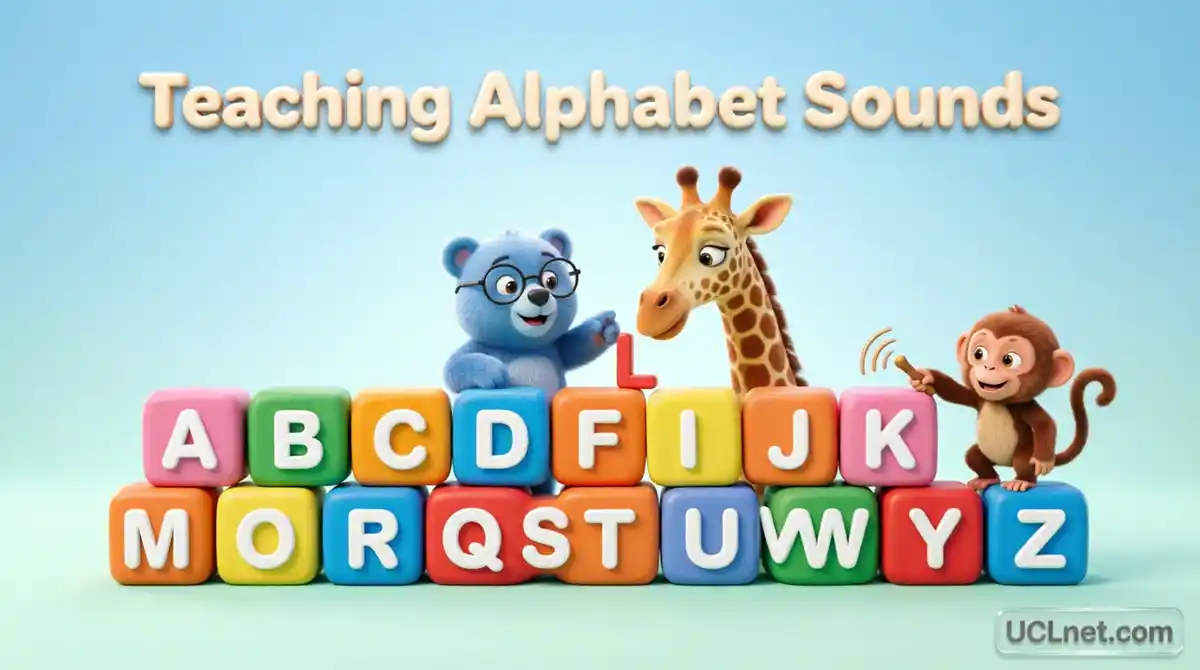
Teaching Alphabet Sounds: Master Letter Phonics with Simple Words
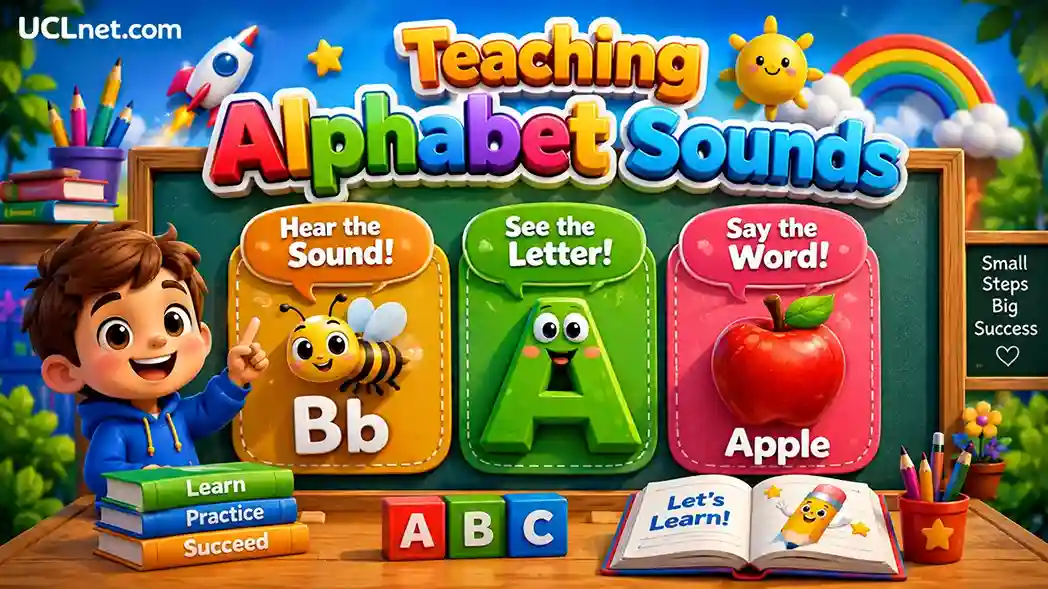
Helping young learners discover reading is an exciting adventure when you focus on Teaching Alphabet Sounds. Letter phonics forms the absolute foundation of early language development. Therefore, by using easy and playful methods, mothers, fathers, and teachers can guide children successfully. This comprehensive guide serves as our fourth core topic, explaining how parents and kindergarten educators can teach letter sounds effectively at home and in the classroom.
Explore more stories and guides at Stories for Kids on UCLnet.com
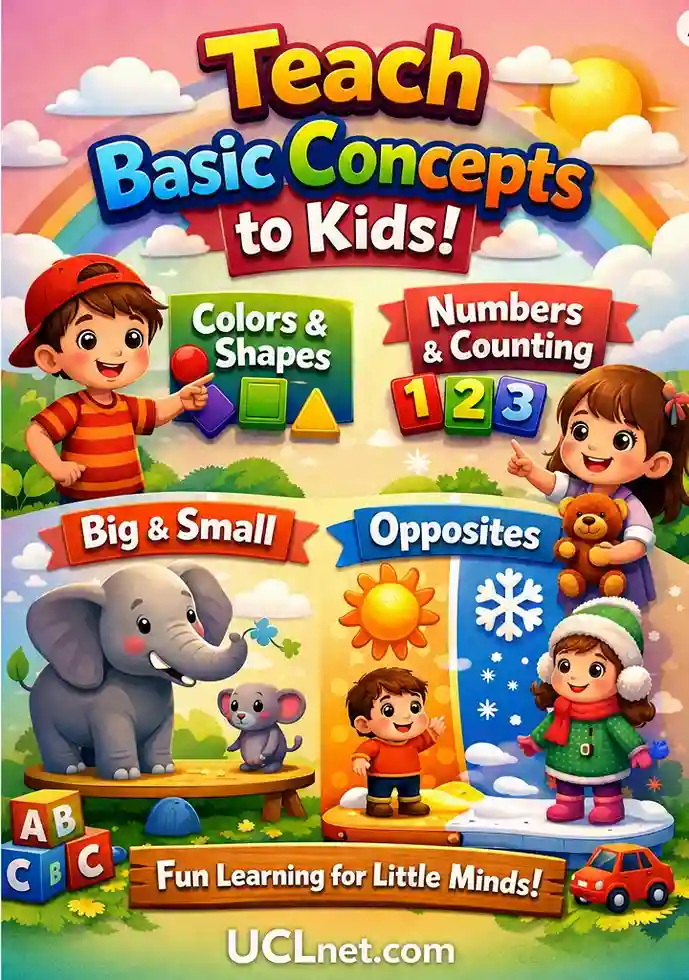
Why Phonics Matters When Teaching Alphabet Sounds
When you focus on Teaching Alphabet Sounds, you help children connect written letters to spoken pronunciation. Early reading is not only about memorizing ABC songs; it also helps kids decode unfamiliar words, build spelling confidence, and improve listening skills. Furthermore, understanding basic phonics makes future school tasks significantly easier for beginners aged 4 to 6.
Essential Phonics Focus Guide When Teaching Alphabet Sounds
This simple table shows the main letter groups that parents and teachers can practice step by step with young children:
Looking at this chart helps moms, dads, and teachers plan fun daily lessons easily.
Effective Home Strategies When Teaching Alphabet Sounds
When you do Teaching Alphabet Sounds at home, short and fun daily games work best. For example, you can point to common objects around the house and ask your child what letter sound they start with. Making fun animal noises or singing easy rhyming songs turns learning into a joyful game instead of hard work.
Classroom Tips When Teaching Alphabet Sounds
Kindergarten teachers can use simple hand motions and picture cards during group activities. When educators use fun group chanting and matching games, quiet children feel happy to join in. Creating a warm and friendly group space brings great success when focusing on Teaching Alphabet Sounds in school.
Top Practical Phonics Activities
1. Sound Hunt: Ask children to walk around the room to find things starting with a target sound.
2. Phonics Tracing: Trace letters in sand or paint while saying the sound out loud.
3. Matching Cards: Match picture cards to the right starting letter blocks.
4. Rhyme Time: Say simple words and help kids find words that sound alike.
These fun activities make learning letters very easy for young kids.
Short Phonics Story for Kids
Sam and the Sun
Sam the snake loves sounds! Every morning during her practice with Teaching Alphabet sounds, she makes the “sss” sound. She sees a bright red sun and a small star. By mixing letter sounds together, Sam reads her very first words with a big happy smile.
Mini-Dictionary for Phonics Concepts
This simple list helps parents and teachers understand easy learning words:
This mini-dictionary makes it easy for adults to guide children during lessons.
Frequently Asked Questions
When should kids start learning phonics? Children aged 4 to 6 are at a great age to start learning letter sounds.
Can parents teach phonics without special training? Yes, simple daily games and short stories make home learning very easy.
How long should practice take each day? Ten to fifteen minutes daily is perfect to keep young kids interested.
Conclusion
Learning letter sounds builds a strong bridge to reading. By mixing fun games, short stories, and easy daily routines, adults can make phonics a wonderful journey. Happy daily practice brings amazing progress for every child!
🚀 Master All Basic Concepts!
Unlock the ultimate roadmap to teach 20 essential skills to young learners. Don’t miss out on complete guides and expert strategies!