👁 Views: 2,399
🌙 Asleep vs. Awake English Antonyms: Meaning, Comparison, and Practice Quiz for Kids
🌟 What Does Asleep vs. Awake Mean?
When you look at a playground seesaw, one side goes up while the opposite side goes down. In the English language, words work in a similar way! Words that have completely opposite meanings are called antonyms. Today, we will explore the fundamental concept pair asleep vs awake to help young learners master bedtime language. Understanding these paired concepts helps children express physical states and daily routines with incredible clarity. Furthermore, studying words in contrasting pairs strengthens critical thinking and vocabulary retention. Consequently, every daily routine becomes an engaging learning opportunity as young readers discover how human bodies switch between nightly rest and morning alertness. Moreover, this lesson connects directly to our main guide on sleeping expressions to build complete vocabulary confidence.
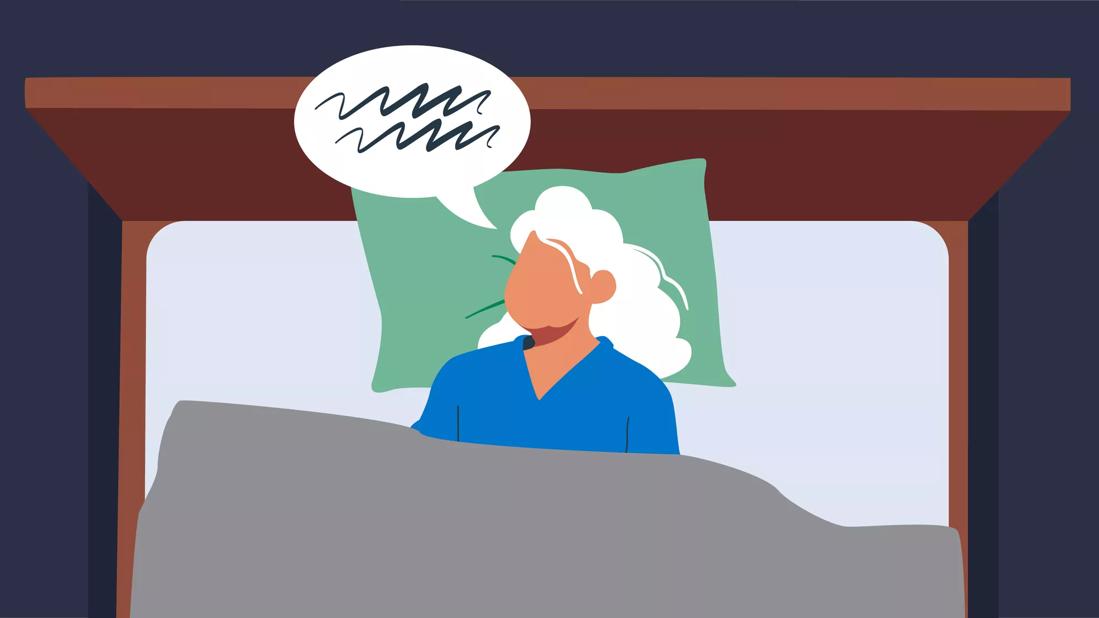
For instance, while little Emma was fast asleep under her cozy blue blanket at midnight, her pet puppy remained wide awake and listened carefully to the gentle evening rain outside!

🌾 Understanding the Biological and Conceptual Contrast
To truly grasp the concept of asleep vs awake, let us examine how our minds and bodies operate in these two distinct states. Being asleep means your body is resting peacefully, your eyes are closed, and your brain is repairing cells while storing memories. On the other hand, being awake means your eyes are open, your sensory organs are active, and your mind is ready to absorb new lessons. Therefore, these two states represent the natural cycle of daily human life. Specifically, when parents provide a clear asleep vs awake definition, they explain how the body recharges energy overnight to prepare for active daytime play. As a result, when children ask what does asleep vs awake mean, they learn about biological rhythm and linguistic contrast.
🌙 Being Asleep
Body in recharge mode, muscles relaxed, low physical movement, subconscious brain activity, eyes closed peacefully.
☀️ Being Awake
Body in action mode, full sensory awareness, high movement, active decision-making, eyes wide open to surroundings.
📚 Asleep and Awake in Major Dictionaries
Let us examine how world-famous authoritative dictionaries define these two contrasting vocabulary words to understand their precise grammatical roles:
1. Merriam-Webster Dictionary:
Defines ‘asleep’ as being in a state of sleep or inactivity, while defining ‘awake’ as conscious and not sleeping, presenting them as direct antonyms.
2. Cambridge English Dictionary:
Describes ‘asleep’ as sleeping soundly, and ‘awake’ as having eyes open and active mind, highlighting their daily descriptive uses in children’s stories.
3. Collins English Dictionary:
Explains both words as predicate adjectives that describe physical states of consciousness, emphasizing how humans transition naturally between conditions.
📖 Mini Dictionary for Asleep vs. Awake
Before trying the practice quiz questions below, review these essential key vocabulary words from our lesson. Meanwhile, practicing these terms makes reading English stories much easier when comparing asleep vs awake states:
| Word | Simple Meaning | Example Sentence |
|---|---|---|
| Antonym | A word that means the exact opposite of another word. | Awake is the direct antonym of asleep. |
| Rhythm | A regular, repeated pattern of movements or events. | Daily rest follows a natural body rhythm. |
| Subconscious | The part of mental activity that happens without active focus. | Dreams occur in the subconscious mind. |
| Transition | A change from one physical state or condition to another. | Morning light marks the transition to wakefulness. |
| Sensory | Relating to physical senses like seeing, hearing, and touching. | Sensory organs stay sharp when you are awake. |
✨ Healthy Balance and Body Awareness
Understanding the balance between being asleep vs awake teaches children valuable body awareness and healthy living habits. Specifically, respecting your body’s need for nighttime rest guarantees high energy during daytime learning. In addition, recognizing when your mind feels tired allows you to avoid exhaustion and maintain emotional balance. Therefore, remember these positive habits for maintaining a healthy daily rhythm:
• Value nighttime sleep so your body can recharge properly.
– Stay active and engaged during daytime waking hours.
– Listen to your body signals when tiredness begins.
– Maintain consistent bedtime schedules for healthy growth.
💡 Moral Lesson: Balancing peaceful sleep with active wakefulness builds a healthy mind and a happy body!

📝 Practice Quiz: Asleep vs. Awake
Test your understanding of the concept pair asleep vs awake using this interactive quiz designed for classroom practice and home study. Consequently, review the questions carefully before checking the answer key:
Click here to show Answer Key
1. They are antonyms with opposite meanings
2. False
3. asleep
4. An antonym
5. True
6. Rhythm
7. habit
8. She was fast asleep
9. True
10. Relating to physical senses like seeing and hearing
🌙 Discover Our Sleeping Vocabulary Master Guide
Want to explore more bedtime expressions and antonym pairs like asleep vs awake? Visit our complete master hub:
📚 Explore More Related Lessons
Want to practice more English lessons? If so, explore our related categories below to discover more vocabulary, idioms, and activities: