

👁 Views: 2,475
What Are Time Prepositions?
Hello, young friends! Today, we will learn about special words called time prepositions. First, let’s understand why they matter. These little helpers show exactly when something happens. Moreover, without them, our sentences would feel confusing and incomplete. Finally, think of these words as friendly guides that point to the perfect moment!
Rule #1: Use “ON” for Specific Days
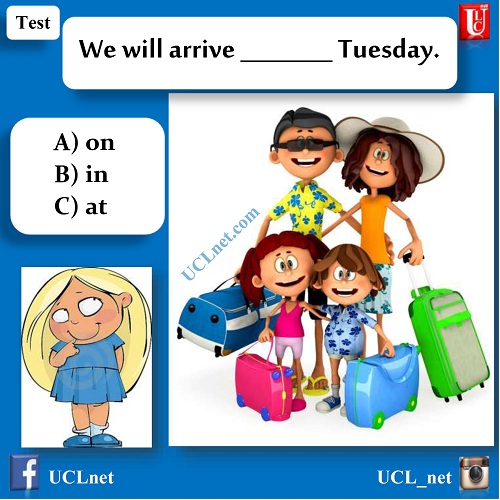
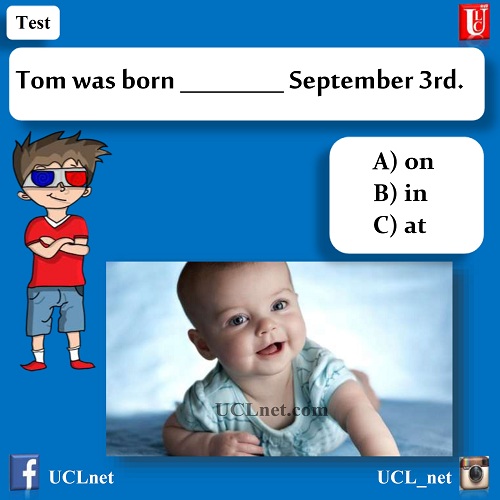
First, we use “on” for specific days and exact dates. For instance, we say “on Monday” or “on September 3rd” because these are single calendar days. Additionally, Tom was born on September 3rd since it’s a special date. Similarly, we will arrive on Tuesday because Tuesday is one particular day of the week. Consequently, this rule helps us pinpoint exact calendar moments!
Rule #2: Use “IN” for Longer Periods
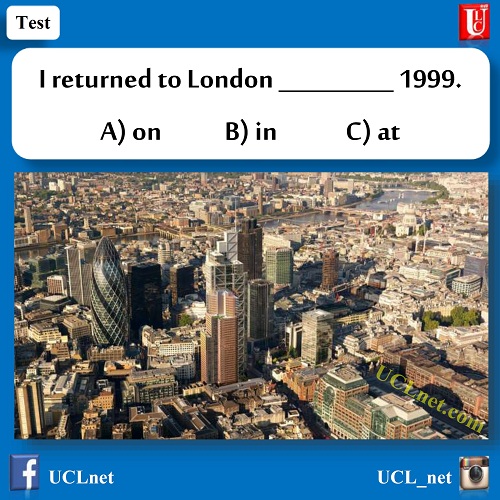
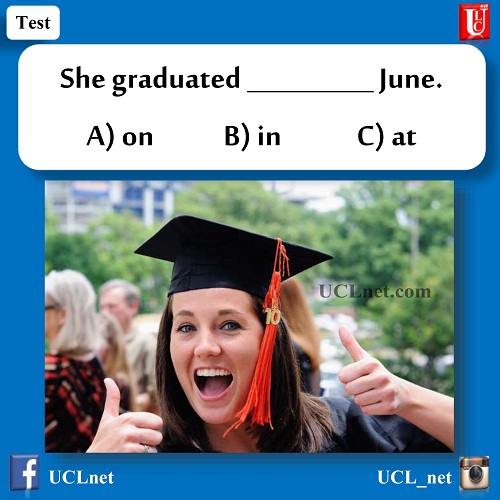
Next, we use “in” for longer time periods like months, years, and seasons. For example, we say “in June” or “in 1999” because these cover many days. Therefore, she graduated in June, and I returned to London in 1999. Furthermore, we use “in” for parts of the day like “in the morning” since these periods last longer than a single moment. Mastering these time prepositions makes your sentences clear!
Rule #3: Use “AT” for Exact Times
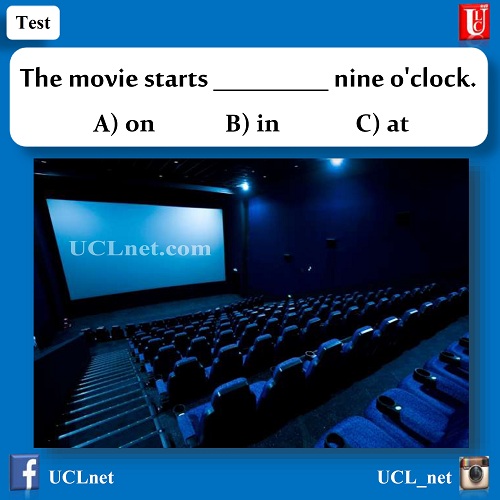
Then, we use “at” for exact clock times. Because clocks show precise moments, we say “at nine o’clock” or “at noon”. For example, the movie starts at nine o’clock since it begins at that exact minute. Likewise, bedtime might be at 8:00 PM because it’s a specific time on your clock. Understanding these time prepositions helps you share plans perfectly!
More Fun Examples
Now let’s enjoy more examples together! First, my birthday party is on July 15th. Next, we start school in September. Then, the sun wakes up at 6:00 AM. Additionally, birds fly south in winter. Finally, pizza day is always on Friday! Notice how these words fit perfectly like puzzle pieces. Practicing time prepositions becomes easier with every sentence!
Mini Dictionary
| Born | When a baby comes into the world |
| Graduated | Finished school successfully |
| Arrive | To reach a place |
| Returned | Came back to a place |
| O’clock | Exact time on the clock |
| Tuesday | The third day of the week |
Practice Zone: Test Your Skills
Test your understanding of time prepositions with these fun exercises!
True or False?
1. We say “on June” for months. (False – it’s in June)
2. We say “at Monday” for days. (False – it’s on Monday)
3. We say “in 2025” for years. (True)
Fill in the Blanks:
4. My family travels ______ summer vacation. (in)
5. School starts ______ Monday morning. (on)
6. Bedtime is ______ 8:00 PM. (at)
Multiple Choice:
7. The concert is ______ Friday.
A) on B) in C) at D) by
8. We eat lunch ______ noon.
A) on B) in C) at D) to
9. Snow falls ______ winter.
A) on B) in C) at D) for
Answers: 1-F, 2-F, 3-T, 4-in, 5-on, 6-at, 7-A, 8-C, 9-B
Therefore, ask a grown-up to check your answers. Consequently, you are becoming a grammar superstar!
Keep Practicing!
You’ve done wonderfully learning these special time words! Moreover, the more you practice, the more natural they become. Additionally, try using them when telling stories about your day. Soon, you’ll use time prepositions without even thinking! Keep exploring English with joy.


C