

👁 Views: 2,262
Teaching Numbers to Kids: Fun Games and Easy Activities for 1-10
Helping young learners discover early math is an exciting journey when you focus on Teaching Numbers to Kids. Basic counting forms the absolute foundation of early cognitive development. Therefore, by using playful methods, mothers, fathers, and teachers can guide children successfully. This comprehensive guide serves as our core topic for numbers 1 to 10, explaining how parents and kindergarten educators can make math fun at home and in the classroom.
Explore more stories and guides at Stories for Kids on UCLnet.com
Why Early Counting Matters When Teaching Numbers to Kids
Focusing on Teaching Numbers to Kids helps children connect written digits to real quantities. Early math is not only about reciting digits in order; additionally, it helps kids understand value, solve simple problems, and build logical thinking. Furthermore, understanding basic numbers 1 to 10 makes future school tasks significantly easier for beginners aged 4 to 6.
Essential Number 1-10 Breakdown Guide
This simple table illustrates the primary number groupings that parents and teachers can practice step by step with young children:
Reviewing this chart helps moms, dads, and teachers plan fun daily math lessons easily.
Effective Home Strategies When Teaching Numbers to Kids
Practicing Teaching Numbers to Kids at home works best with short and fun daily games. For instance, you can count stairs as you walk up or count plates while setting the dinner table. Consequently, making counting a natural part of daily life turns learning into a joyful game instead of hard work.
Classroom Tips When Teaching Numbers to Kids
Kindergarten teachers can utilize colorful blocks and counting fingers during group activities. Typically, when educators use fun group chanting and matching games, quiet children feel happy to join in. Meanwhile, creating a warm and friendly group space brings great success when focusing on Teaching Numbers to Kids in school.
Top Practical Math Activities for 1-10
1. Step Counting: Count steps loudly while walking up or down stairs.
2. Toy Sorting: Group blocks or small cars into piles of one to ten.
3. Finger Math: Use fingers to show numbers 1 through 5 and then 6 through 10.
4. Dot Connect: Draw simple dot-to-dot worksheets to link numbers in order.
Overall, these fun activities make learning numbers very easy for young kids.
Short Counting Story for Kids
Leo the Lion’s Ten Blocks
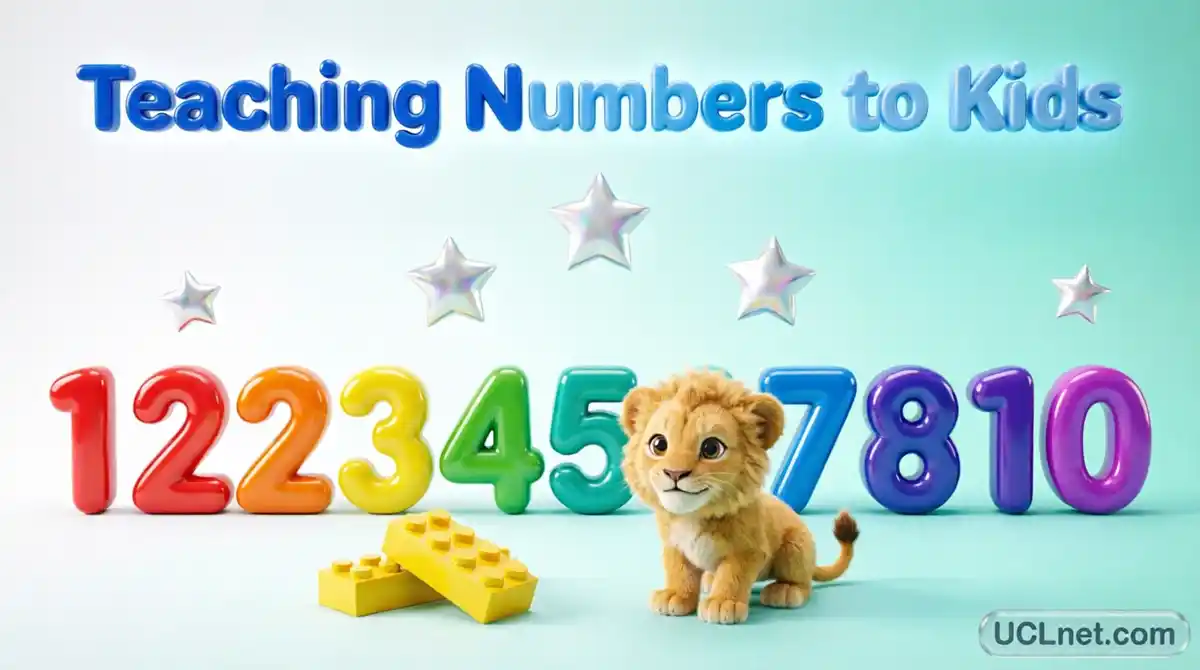
Leo the lion absolutely loves math! Every morning during his practice with Teaching Numbers to Kids, he counts bright yellow blocks from one to ten. Naturally, he sees one big sun and ten shiny stars. Afterward, by counting items carefully, Leo reads and counts his very first numbers with a big happy smile.
Mini-Dictionary for Number Concepts
This helpful list assists parents and teachers in understanding basic math terms:
Consequently, this mini-dictionary makes it easy for adults to guide children during math lessons.
Frequently Asked Questions
When should kids start learning numbers 1-10? Children aged 3 to 5 are at a great age to start recognizing basic digits and quantities.
Can parents teach math without special training? Yes, simple daily counting games and short routines make home learning very easy.
How long should practice take each day? Ten to fifteen minutes daily is perfect to keep young kids interested.
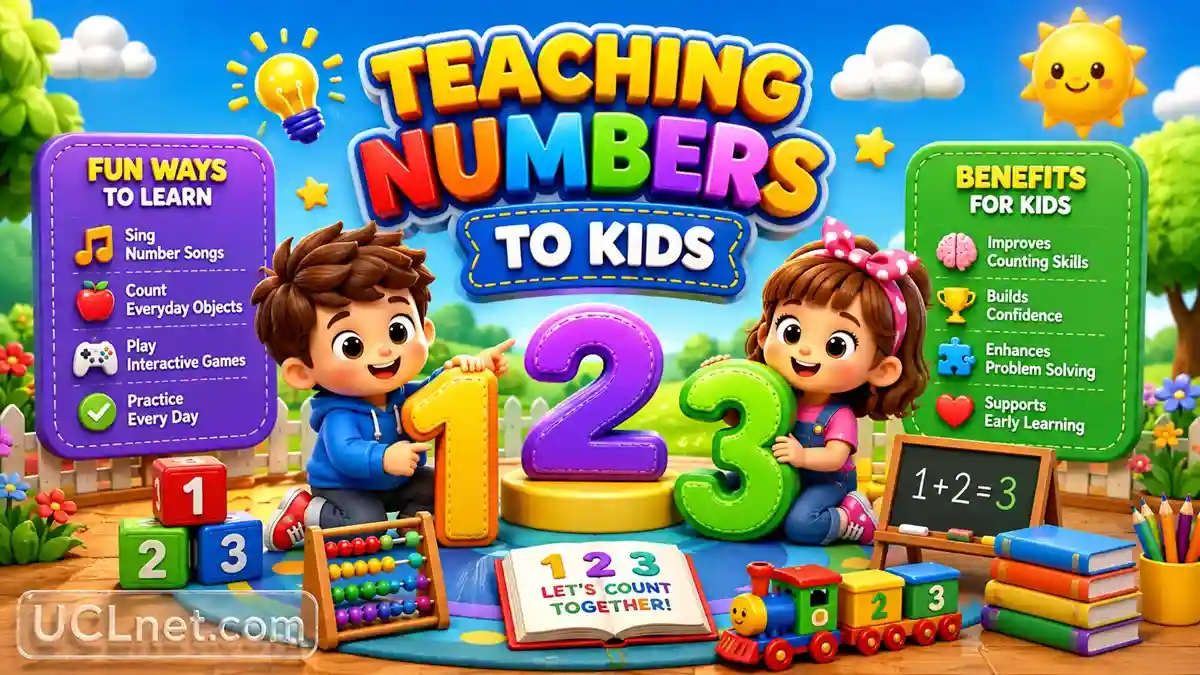
📝 Early Math Detective Worksheet
Test your little learners with these interactive counting and number questions designed for home and classroom practice:
Click to see Answer Key
1. Counting physical objects, 2. Numbers 1 to 3, 3. True, 4. False, 5. finger, 6. sorting, 7. dot-to-dot worksheets, 8. Yes, 9. Yes, 10. Yes.
🚀 Master All Basic Concepts!
Unlock the ultimate roadmap to teach 20 essential skills to young learners. Don’t miss out on complete guides and expert strategies!
Conclusion
Learning numbers builds a strong bridge to early logical thinking. By mixing fun games, short stories, and easy daily routines, adults can make math a wonderful journey. Ultimately, happy daily practice brings amazing progress for every child!

