👁 Views: 2,286
Teaching Kids Rooms: Parent & Teacher Guide to Home Areas 🏠🏡
Welcome to our comprehensive educational guide on Teaching Kids Rooms. Exploring kitchen, bedroom, and living room areas with young minds is an essential step in early childhood development. When mothers, fathers, and kindergarten teachers guide children at home or inside the classroom, discovering everyday living spaces builds a wonderful foundation. Because early domestic education shapes future communication skills, adults can support young learners successfully through daily house tours. As a result, this complete guide explains how parents and educators can approach early language acquisition effectively, ensuring children gain confidence while mastering Teaching Kids Rooms naturally.
Explore more stories and guides at Stories for Kids on UCLnet.com
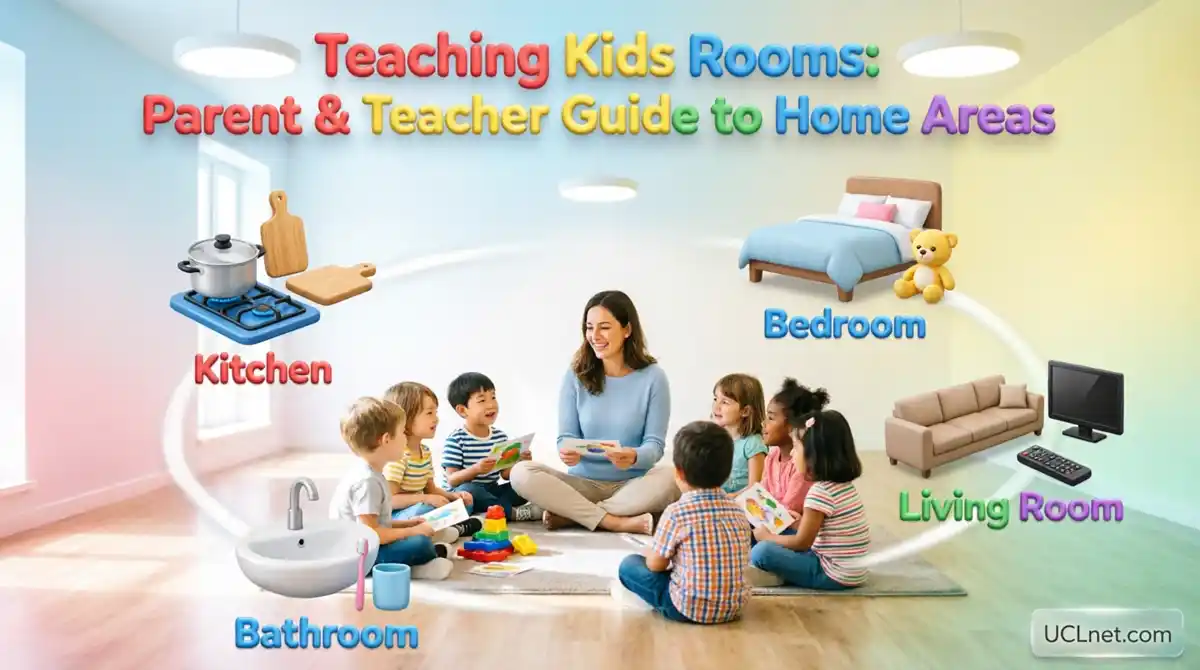
Why Exploring Home Areas Matters
Understanding why learning kids rooms matters helps parents create purposeful learning moments during daily house chores or playtime sessions. When children practice children home vocabulary, they connect descriptive terms to actual living spaces and domestic experiences. Furthermore, early language acquisition is not only about memorizing items; it also helps kids build spatial awareness, improve personal independence, and understand household instructions given by adults. Consequently, mastering basic architectural terms makes future school interactions significantly easier for beginners aged 4 to 6, ensuring young learners remain enthusiastic throughout their educational journey.
Essential Home Vocabulary and Teaching Kids Rooms Guide
This simple table shows the main house areas that parents and teachers can practice step by step while engaging in Teaching Kids Rooms with young learners:
Looking at this chart helps moms, dads, and teachers plan fun daily lessons easily.
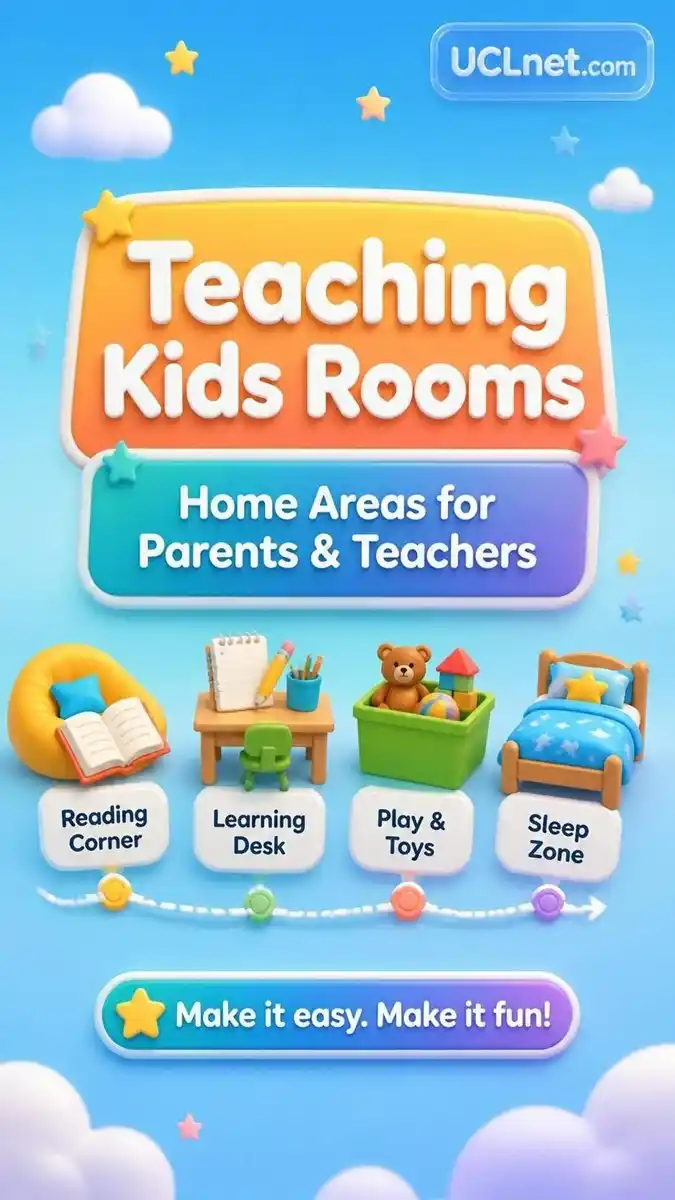
Pro-Tip Box for Kids Room Lessons
When you practice kids room lessons at home, walking tours work best. For instance, adults can walk with children through every corner of the house while asking them to name each room clearly. Using actual house spaces turns learning into a joyful game instead of stressful schoolwork. In addition, practicing vocabulary can be supported through cheerful housekeeping songs to foster a positive emotional connection with English language acquisition.
Mini-Dictionary for Home Architecture Concepts
This simple list helps parents and teachers understand easy learning words while exploring teaching house rooms:
This mini-dictionary makes it easy for adults to guide children during lessons.

📝 Language Detective Worksheet Challenge
These are sample questions that parents or teachers can ask the child. Teachers and parents can show the worksheet questions directly to the child to provide a practical training session.
🚀 Master All Basic Concepts!
Unlock the ultimate roadmap to teach 20 essential skills to young learners. Don’t miss out on complete guides and expert strategies!