

👁 Views: 2,267
How to Teach Size Comparisons to Kids: Easy Activities for Parents and Teachers
Helping young learners discover descriptive language is an exciting journey when you focus on Size Comparisons for Kids. Understanding measurements and proportions forms an absolute foundation of early cognitive and language development. Therefore, by using easy and playful methods, mothers, fathers, and teachers can guide children successfully. This comprehensive guide serves as our fifth core topic, explaining how parents and kindergarten educators can teach size concepts effectively at home and in the classroom.
Explore more stories and guides at Stories for Kids on UCLnet.com
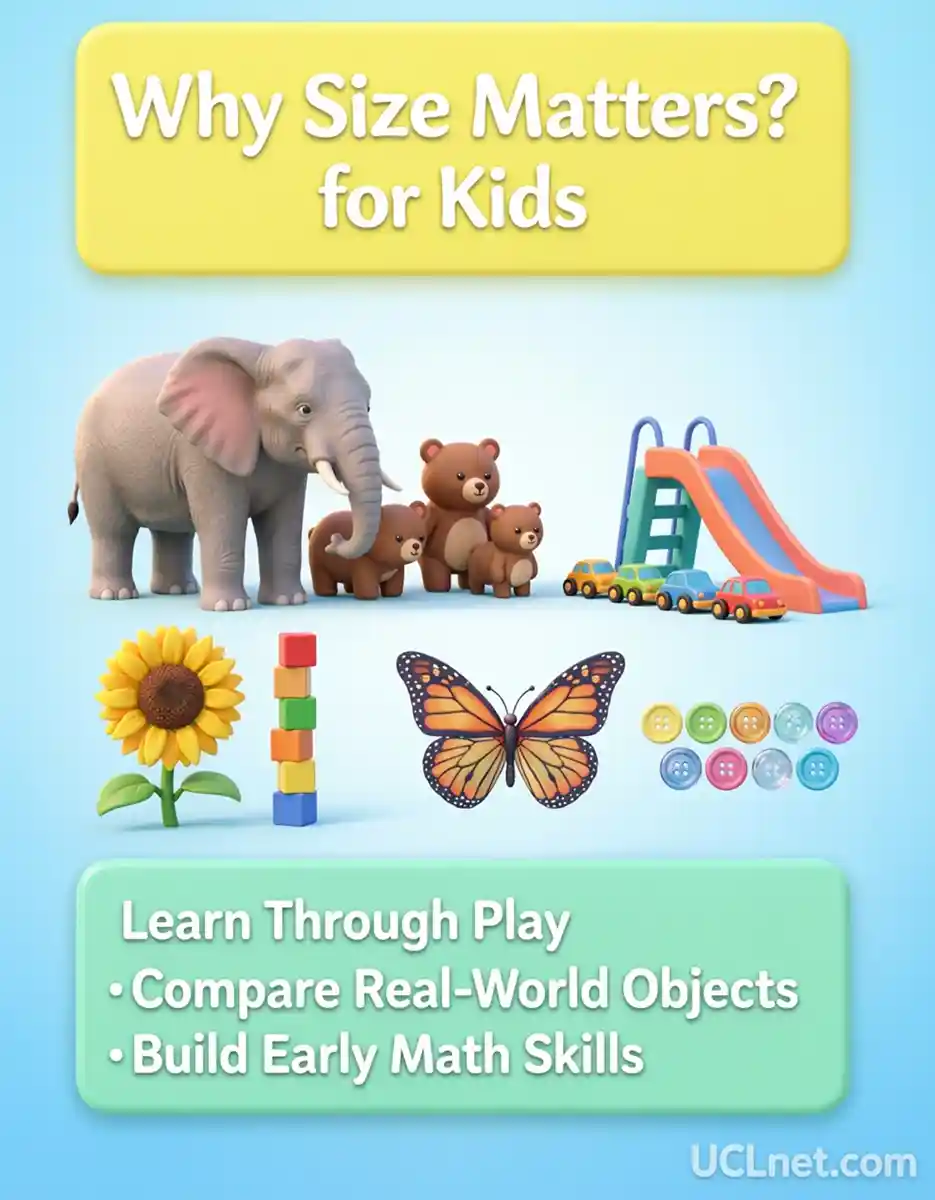
Why Scale Matters When Exploring Size Comparisons for Kids
When you focus on Size Comparisons for Kids, you help children connect descriptive adjectives to physical objects around them. Early learning is not only about memorizing words; it also helps kids build vocabulary confidence, improve observational skills, and understand spatial relationships. Furthermore, mastering basic measurements makes future school tasks significantly easier for beginners aged 4 to 6.
Essential Size Categories Focus Guide
This simple table shows the main dimension groups that parents and teachers can practice step by step with young children:
Looking at this chart helps moms, dads, and teachers plan fun daily lessons easily.
Effective Home Strategies for Size Comparisons for Kids
When you practice Size Comparisons for Kids at home, short and interactive daily games work best. For example, you can point to common household objects and ask your child to find something bigger or smaller. Comparing toy sizes or sorting household items turns learning into a joyful game instead of hard work.
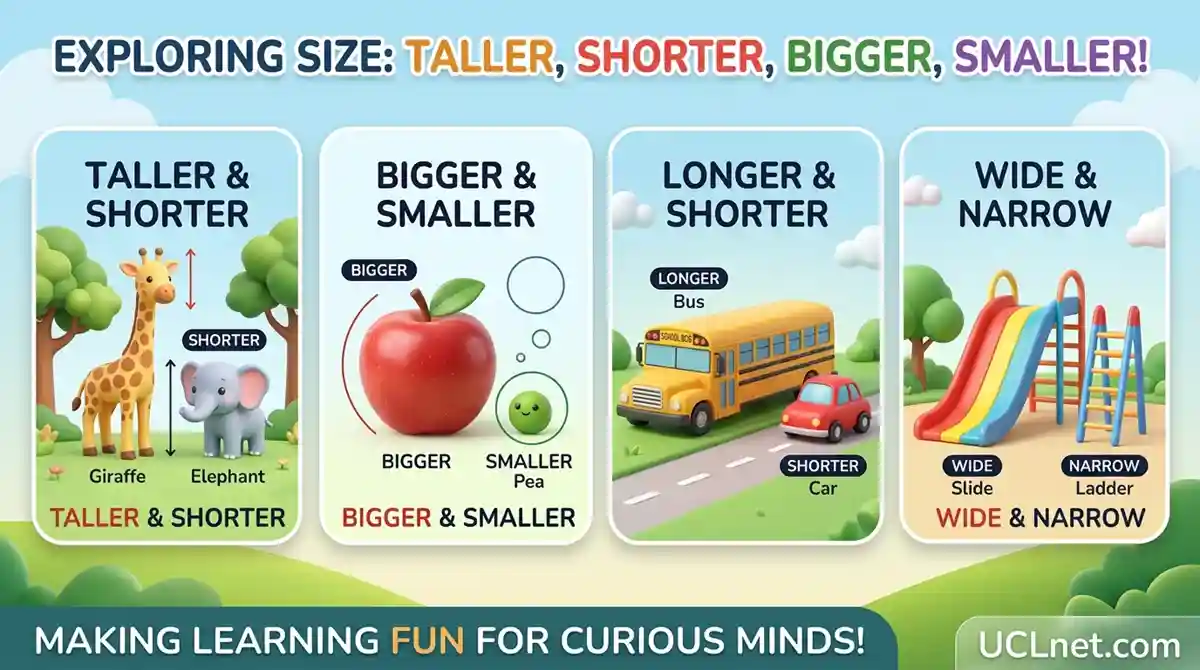
Classroom Tips for Size Comparisons for Kids
Kindergarten teachers can use physical objects and comparative flashcards during group activities. When educators use interactive sorting tasks and buddy measurements, quiet children feel happy to join in. Creating a warm and friendly group space brings great success when focusing on Size Comparisons for Kids in school.
Top Practical Measurement Activities
1. Toy Sorting: Ask children to arrange their toy blocks from shortest to tallest.
2. Nature Walk Scan: Find big leaves and small pebbles outside during outdoor playtime.
3. Body Height Chart: Measure family members using wall markings to see who is tall and short.
4. Object Line-Up: Line up shoes from different family members to check lengths.
These fun activities make learning size concepts very easy for young kids.
Short Size Story for Kids
The Little Mouse and the Big Mountain
Pip the mouse loves exploring dimensions! Every morning during her practice with Size Comparisons for Kids, she looks at a tall tree and a small pebble. She sees a big rock and a short plant. By understanding how to measure and compare objects around her, Pip solves every puzzle with a big happy smile.
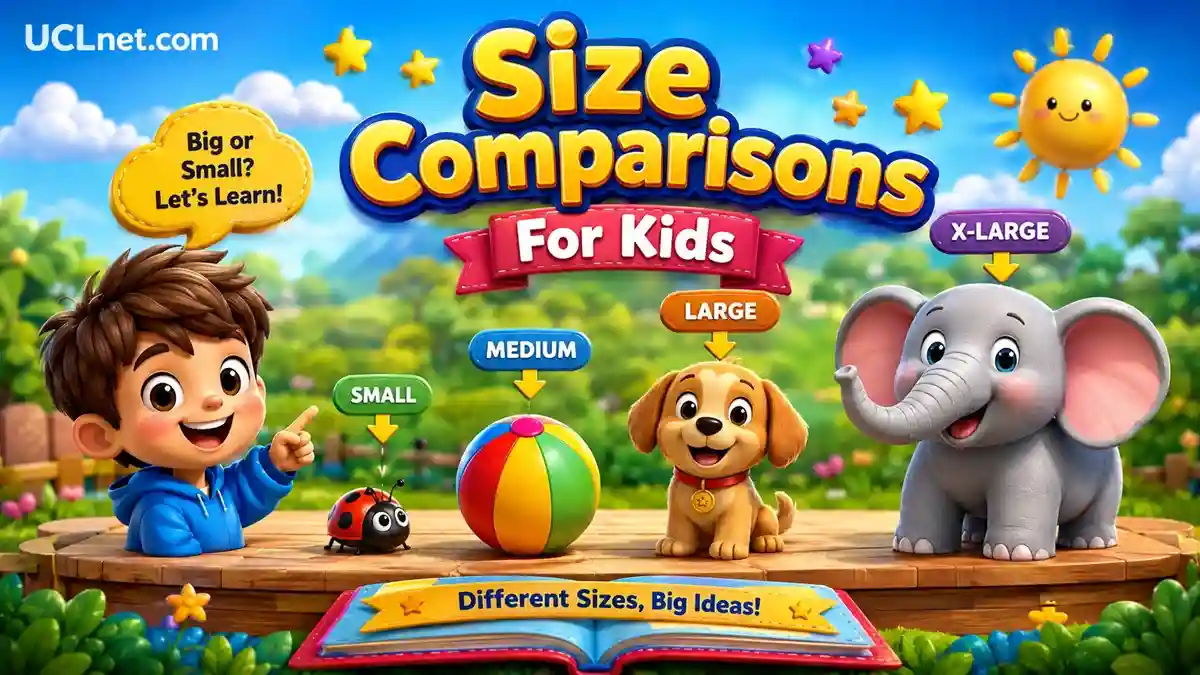
Mini-Dictionary for Size Concepts
This simple list helps parents and teachers understand easy learning words:
This mini-dictionary makes it easy for adults to guide children during lessons.
Frequently Asked Questions
When should kids start learning size differences? Children aged 3 to 6 are at a great age to start understanding big, small, tall, and short concepts.
Can parents teach measurements without special tools? Yes, daily objects around the house make home learning very easy and engaging.
How long should practice take each day? Ten to fifteen minutes daily is perfect to keep young kids focused and interested.
Conclusion
Learning size concepts builds a strong bridge to logical thinking. By mixing fun games, short stories, and easy daily routines, adults can make descriptive learning a wonderful journey. Happy daily practice brings amazing progress for every child!
🚀 Master All Basic Concepts!
Unlock the ultimate roadmap to teach 20 essential skills to young learners. Don’t miss out on complete guides and expert strategies!


خوب