👁 Views: 11,010
🎵 Sing a different tune: A clever idiom about changing opinions!
🌟 Exploring Sing a different tune For Kids: A friendly guide to changing views!
Enthusiastic learners and curious friends, welcome! Today, we are discovering the popular English saying Sing a different tune in daily conversations. Have you ever heard someone say they disliked a game or a plan, but after winning or trying it, they suddenly started saying something completely different? Specifically, when someone changes their opinion, attitude, or story after facing new facts, people use a musical phrase to describe that sudden contrast. In English, instead of saying someone just changed their mind, we say they Sing a different tune! In fact, understanding this phrase helps kids recognize how opinions evolve when experiencing new situations. Moreover, learning how musical metaphors express shifting views makes your English sound natural and super clever. Therefore, let us start our creative journey and discover all about it together with UCLnet.com!
For instance, imagine someone saying a contest is silly before winning it, and then bragging happily—that is when they Sing a different tune! 🎶✨

🌱 What Is Sing a different tune in daily speech?
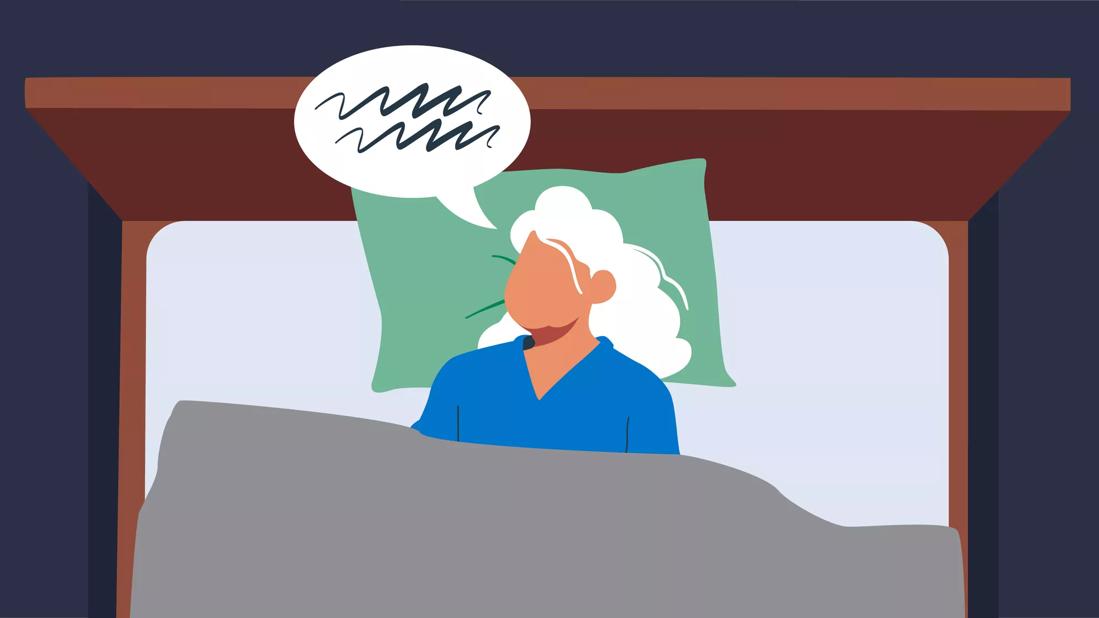
Grasping this phrase gives children an easy way to explain contrasting views. Physically, nobody sings an actual song with notes on a stage when changing their thoughts! Instead, people use this expression to highlight a sharp contrast between what someone previously said and what they are saying now. In other words, just like a singer switches to a different melody, people flip their previous stance when reality hits. Consequently, this phrase teaches pupils how flexible or inconsistent opinions work in social communication. Furthermore, exploring Sing a different tune encourages young learners to notice how actions and words match up during everyday discussions.
📖 A Fun Story Featuring Sing a different tune
Caleb sat at his desk on Friday afternoon and watched Gabriel prepare for the school spelling contest. Caleb claimed loudly that word games were boring and that he would never care about winning trophies.
However, after Gabriel won the competition and received a shiny gold medal, Caleb rushed over with an excited smile. Now that he won the game, he is Sing a different tune, whispered their teacher with a gentle grin. Caleb suddenly asked how he could join the spelling club next semester! Consequently, seeing his sudden attitude shift made classroom activities full of laughter. Eventually, Caleb felt proud because understanding this idiom helped him describe how opinions change when success happens!
🎨 Literal vs Real Meaning of Sing a different tune
Naturally, nobody performs musical melodies with instruments when altering an argument. Practically speaking, however, Sing a different tune highlights changing your opinion, attitude, story, or behavior regarding someone or something, often after facing new facts or pressure. Thus, it reveals how musical metaphors capture behavioral inconsistency. On the flip side, staying completely consistent and holding the exact same view serves as the literal opposite of this expressive phrase. Nevertheless, knowing this expression helps youngsters describe sudden attitude shifts smoothly.
Summary Box: This phrase means saying something different from what you said before!
| Dictionary / Source | Detailed Description & Definition |
|---|---|
| Real Idiom Meaning | Saying something different from what you said before. |
| Literal Meaning | Performing a different musical song or melody on stage. |
| Possible Opposite | Singing the same tune, staying consistent, or keeping identical views. |
| Oxford Dictionary | Change one’s opinion about or attitude towards someone or something. |
| Merriam-Webster | To change the way one talks about something; have a different opinion. |
| Cambridge Dictionary | To change your opinion or behavior completely because of advantage. |
🔊 Pronunciation and Examples of Sing a different tune
Phonetic pronunciation runs as: /sɪŋ ə ˈdɪfərənt tuːn/. Next, let us read simple sentences to practice using this saying in daily life:
• Specifically, now that he won the game, he is Sing a different tune.
• Additionally, she claimed she didn’t care about the prize, yet she changed her stance quickly.
• Meanwhile, arguing against a rule before benefiting from it is a classic example!
💬 Short Dialogue Using Sing a different tune
Gabriel: What is your plan for the weekend trip?
Caleb: I want to travel together if my brother doesn’t Sing a different tune.
Gabriel: Please talk to him so we can all agree.
Caleb: I will try my best, but it all depends on his mood!
📍 Kids Usage vs Adult Usage
Children deploy this phrase when noticing friends change their minds about games or weekend plans. Conversely, adults invoke this expression in professional settings when colleagues alter their project stances after seeing financial results.

⚙️ Grammar Tips for Sing a different tune
📝 Simple Grammar Guide
Grammatically, this expression functions as a verb phrase (for example: “He will Sing a different tune once he sees the results”).
⚠️ Common Mistakes to Avoid
Conversely, learners sometimes accidentally say “sing another song” or “change your tune.” Always stick to the authentic formula: Sing a different tune.
📚 Mini-Dictionary for Key Concepts in Text
Here are the simple meanings of key words used inside this article to support children:
| Word | Simple Meaning for Kids |
|---|---|
| Contrast | A striking difference between two things. |
| Inconsistency | The quality of changing behavior or ideas unexpectedly. |
| Melody | A sequence of musical notes that make up a tune. |
| Stance | An attitude or position taken on a particular issue. |
| Consistent | Remaining the same in behavior or opinion over time. |
🔗 Synonyms, Etymology and Historical Roots
Additionally, several terms share a similar opinion-shifting meaning:
• Change your tune (altering an attitude or way of speaking)
• Sing another song (using alternative musical metaphors for views)
• Reverse your stance (switching completely to the opposite position)
• Flip-flop (changing an opinion back and forth rapidly)
• Sing the same tune (the exact opposite meaning of agreeing together)
📜 Etymology & Historical Background
Etymologically and historically, this expression originates from musical performance culture. In the past, musicians who played in public squares or theatrical ensembles would switch to a different melody or song when the audience’s reaction or demands shifted. Over time, English speakers adopted Sing a different tune in everyday language to describe people who suddenly change their words or opinions when facing new circumstances!
👨👩👧 Parents and Teachers Guide for Sing a different tune
Educators can introduce Sing a different tune when discussing consistency and honest communication with students. Above all, teach children that keeping our words matching our actions builds strong friendships!
🎯 Fun Classroom and Home Activities
🎵 Melody Switch: Act out short musical skits where characters change their opinions after winning games.
🎭 Opinion Debates: Discuss why people sometimes change what they say when facts change.
🧩 Matching Cards: Pair contrasting statements with the correct idiom!
❓ Questions Parents and Teachers Ask
Question: Is this phrase appropriate for young children?
Answer: Yes! Kids easily understand the metaphor of switching a song when opinions reverse.
Question: How can teachers use this expression during lessons?
Answer: When a student changes their mind about a difficult topic, teachers can use it playfully.

📝 Worksheet Quiz About Sing a different tune
To conclude, test your understanding using this practice sheet! Adults can utilize these exercises to verify comprehension of Sing a different tune.
Click here to show Answer Key
Saying something different from what you said before
False
singing
Change your tune
True
Contrast
sang
Insulting a game before winning it and bragging later
True
Tune
❓ Frequently Asked Questions by Kids
Why do people say someone is singing a different tune when their opinion changes?
Yes! Indeed, it compares changing your words to switching a musical melody in a song.
Is this expression an idiom or a moral proverb?
It stands as an idiom since it uses a figurative musical comparison rather than a formal rule.
📚 Explore More Music and Art Idioms for Kids
Want to discover more fun expressions about body parts? Check out our master guide:
📚 Explore More Related Lessons
Want to practice more English lessons? If so, explore our related categories below to discover more vocabulary, idioms, and activities: