

👁 Views: 2,403
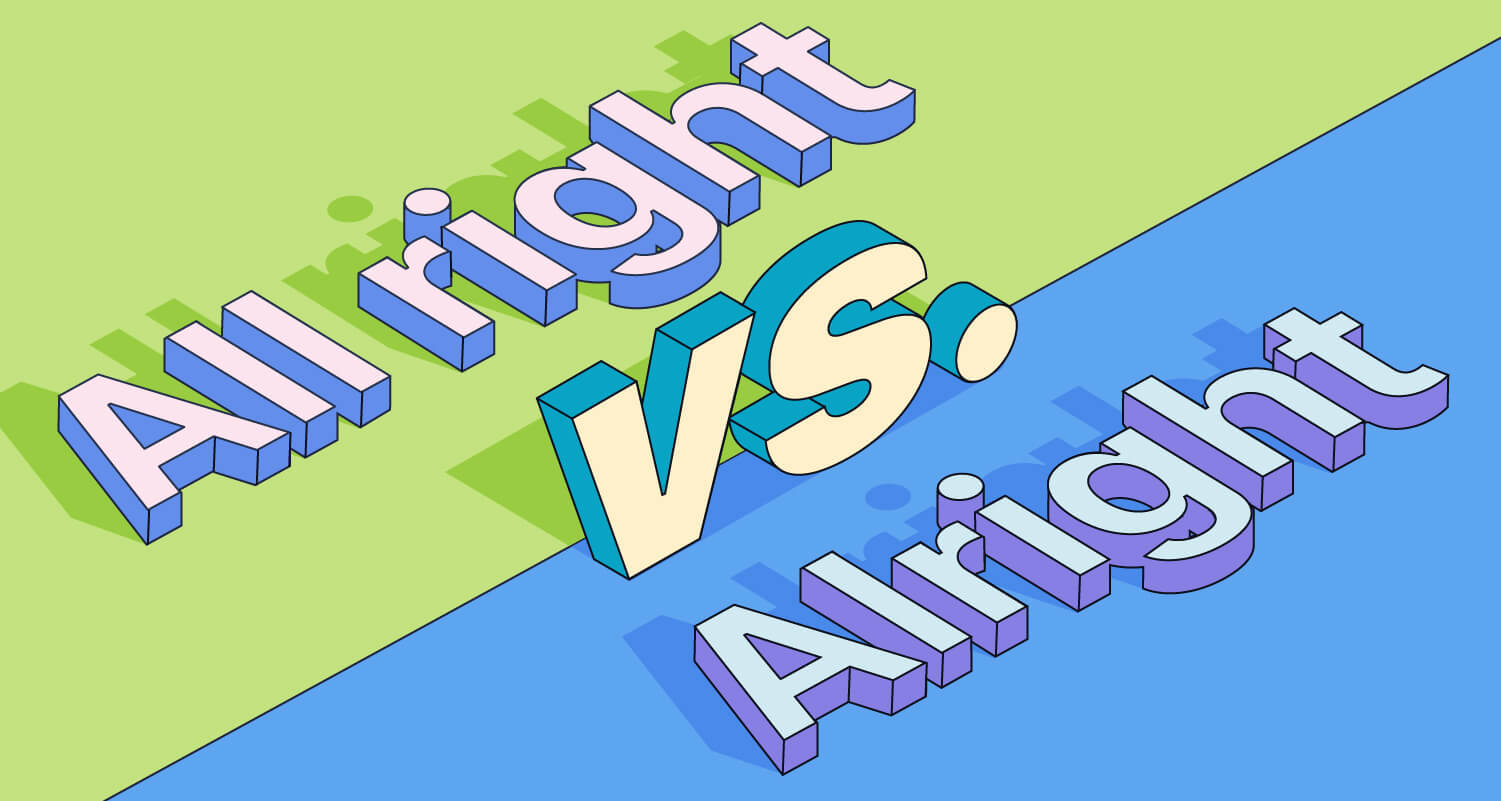
All Right vs Alright: Meaning, Differences & Fun Quiz for Kids
What Is the Difference Between All Right and Alright?
Have you ever wondered whether you should write an expression as two separate words or smash them together into one? Naturally, when young students write stories or complete school assignments, they frequently encounter confusing homophones like all right vs alright that create spelling puzzles. Although these terms sound identical when spoken out loud, style guides and teachers treat them with different levels of formality. Caring teachers and supportive parents always look for straightforward methods to guide children through tricky vocabulary without feeling overwhelmed. Therefore, this comprehensive guide provides clear definitions, smart memory tricks, fun dialogues, and an interactive quiz to make learning effortless. Consequently, mastering these spelling differences empowers every child to write and speak with complete confidence. Furthermore, exploring these language nuances early on helps students build a solid foundation for learning English vocabulary.
Specifically, knowing how to choose the right spelling stops you from mixing up traditional formal writing with casual text message chats!
Deep Dive Into All Right Meaning and Uses
First of all, let us examine our first vocabulary term. What does all right mean? Pronounced as (/ɔlˈrɑɪt, ˈɔl·rɑɪt/), the two-word version is the standard, traditional, and safest choice accepted by all style guides and teachers. Specifically, whenever you write academic papers, business reports, or exams, you must use this traditional spelling. Furthermore, if you need to mean “every single thing is correct,” this is the only correct version. Therefore, understanding this rule helps students score higher grades in school assignments. Moreover, here are two key ways to understand its usage:
1. Standard Formal Writing
Meaning: The traditional two-word phrase accepted in formal documents.
Example: Accordingly, is everything all right here during our inspection?
2. Every Single Answer Correct
Meaning: Confirming that all individual parts are completely correct.
Example: Similarly, all of the test answers were all right.

Exploring Alright Meaning and Formality
Meanwhile, let us explore our second term. What does alright mean? Pronounced identically (/ɔlˈrɑɪt, ˈɔl·rɑɪt/), it is a single-word spelling commonly used to mean “OK.” Although major dictionaries list it, some strict editors and educators still view it as informal or nonstandard. Consequently, you will see it frequently in text messages, fiction dialogue, social media posts, and casual conversations. Therefore, learning this distinction helps young writers understand when casual spelling is acceptable. Moreover, practicing these rules daily expands overall writing awareness.
Casual and Informal Use
Meaning: Acceptable or OK in casual conversations and text messages.
Example: Specifically, all are alright here in the cozy classroom.
Quick Comparison: All Right vs. Alright
In short, to make these concepts crystal clear before taking our practice quiz, review this quick summary chart:
| Word | Formality & Meaning | Example Sentence |
|---|---|---|
| All right | Standard, formal, accepted by all style guides. | Is all right here during our check? |
| Alright | Informal, casual, common in text messages. | All are alright here in the room. |
Teacher & Parent Guidance & Memory Tricks
Furthermore, parents and classroom teachers can use these smart tips during study time:
- The Safety Rule: Remind children that when writing essays or school exams, always choose the two-word phrase all right because it is universally accepted by strict educators.
- Real-Life Spelling Error: Never write “allright” as a single word with a double ‘l’ because that spelling is always incorrect in English grammar.
- Interactive Role-Play: Have students practice drafting formal school report cards (all right) versus chatting with friends online (alright).
Easy Everyday Dialogues for Kids
In addition to memorizing spelling rules, reading short dialogues aloud helps kids speak natural English. Try practicing these conversations with friends:
Dialogue 1:
Teacher: “Is everything prepared for our school assembly?”
Student: “Yes, sir, everything is all right and ready to begin.”
Dialogue 2:
Friend: “How are you feeling after the soccer game?”
Sam: “Thanks for asking, all are alright here!”
Mini Dictionary for Young Learners
Before taking the interactive quiz below, please review these key vocabulary terms pulled directly from our lesson text:
| Word | Simple Meaning | Example Sentence |
|---|---|---|
| Formality | The rigid observance of conventional rules in style or writing. | Job interviews require a high degree of formality. |
| Traditional | Long-established and accepted by older customs or rules. | Making pumpkin pie is a traditional autumn family event. |
| Informal | Relaxed, casual, and unsuited for serious official papers. | They wore informal clothes to the weekend barbecue. |
| Standard | Used or accepted as normal or of high authority. | This dictionary is the standard reference for spelling. |
Practice Quiz: All Right vs. Alright
Therefore, check your understanding of all right vs alright by trying these ten practice questions:
Click here to show Answer Key
1. All right
2. True
3. Formality
4. all right
5. False
6. All of the test answers were all right.
7. Traditional
8. To prevent spelling errors and build writing confidence
9. alright
10. Informal
Explore More Related Categories
Want to discover more English vocabulary lessons and confusing words? If so, explore our related categories below:




They’re really confusing words.
I’ve never noticed this.