👁 Views: 1,070
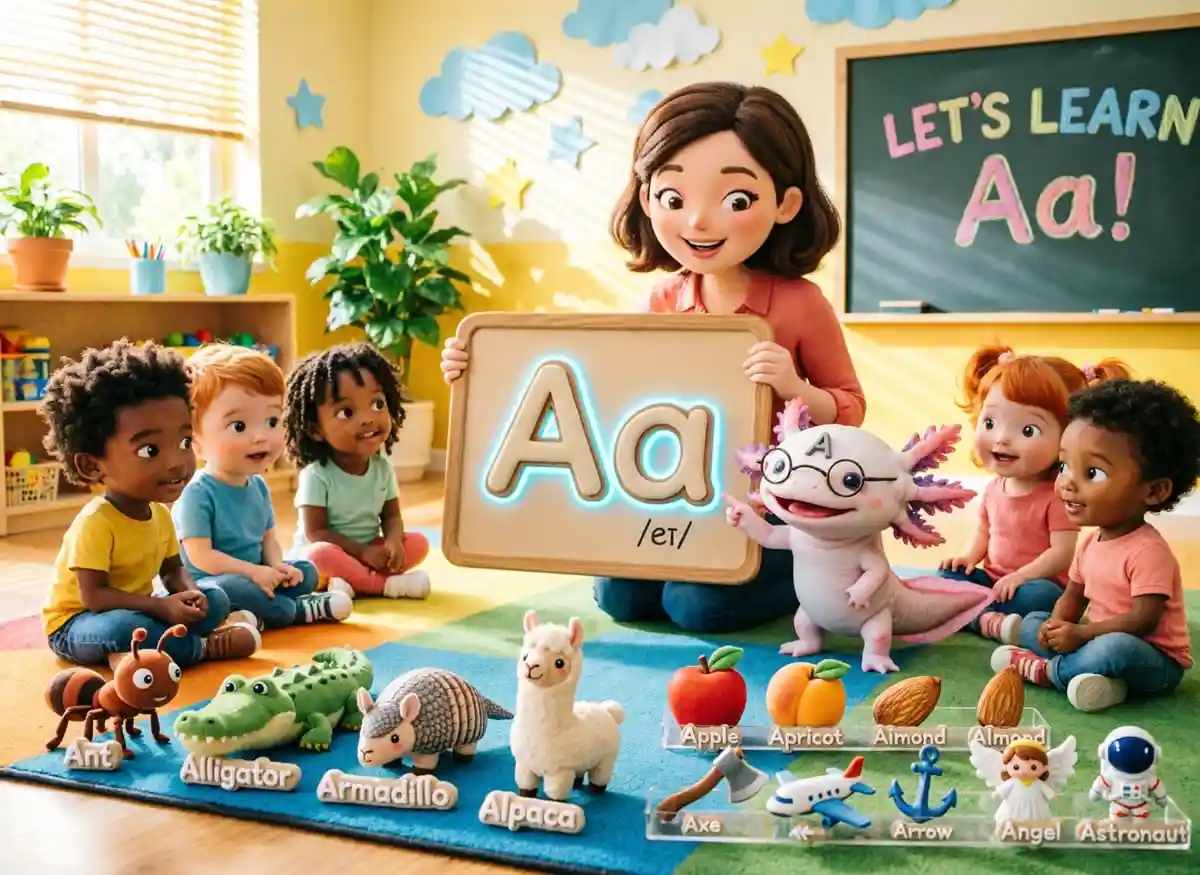
Teaching English to Children: Fun and Effective Methods for Early LearningChildren are ready to learn different skills from the very first days of their lives. Language abilities are one of the most important skills that develop during the early years. Therefore, starting English education for children at a young age can have a significant impact on their cognitive, social, and academic growth. In this article, we will explore effective methods to facilitate the process of children learning English and explain how to use games, music, stories, and the home environment for natural language acquisition. Early exposure to English creates a strong foundation that benefits children throughout their educational journey. |
Early Stages of Language Learning in ChildrenThe process of learning a mother tongue in children begins through crying and screaming. They use this method to communicate their needs and gradually start using simple words like “dada” and “mama”. Between the ages of 2 to 4 years, children’s verbal abilities develop rapidly. At this stage, if a child is placed in an environment where a second language like English is spoken, they can begin to learn it naturally and effortlessly. Additionally, children’s brains are highly flexible during this period, making it easier for them to absorb new sounds and patterns without the accent challenges that adults often face later in life. |

|
One of the first sources where children become familiar with a second language is media and television programs. When children notice that cartoon characters speak a language other than their mother tongue, this can stimulate their natural curiosity to learn a new language. This curiosity is a powerful motivator that makes learning feel like an exciting adventure rather than a difficult task. |
Why Should Children Learn English Now?English is one of the official, scientific, and business languages of the world and serves as an international communication bridge. Teaching English to children from an early age:
Research from Lund University in Sweden has shown that learning a second language can even increase the volume of gray matter in the brain! Furthermore, early language learners often develop better problem-solving skills and cultural awareness, which are valuable traits in our interconnected world. |
Fun and Effective Methods for Teaching English to Children🎯 Creating Interest and MotivationThe first and most important step is to create a sense of interest and enjoyment in the child. Parents should not force children to attend boring classes because this can cause hatred toward language learning. 🧸 Using Educational GamesChildren learn through play. Word games, movement games, and role-playing games in English can make the learning process enjoyable and memorable. 📚 Storytelling and Reading BooksChildren love stories. Reading English books with beautiful pictures not only helps develop language skills but also strengthens the child’s imagination and creativity. |
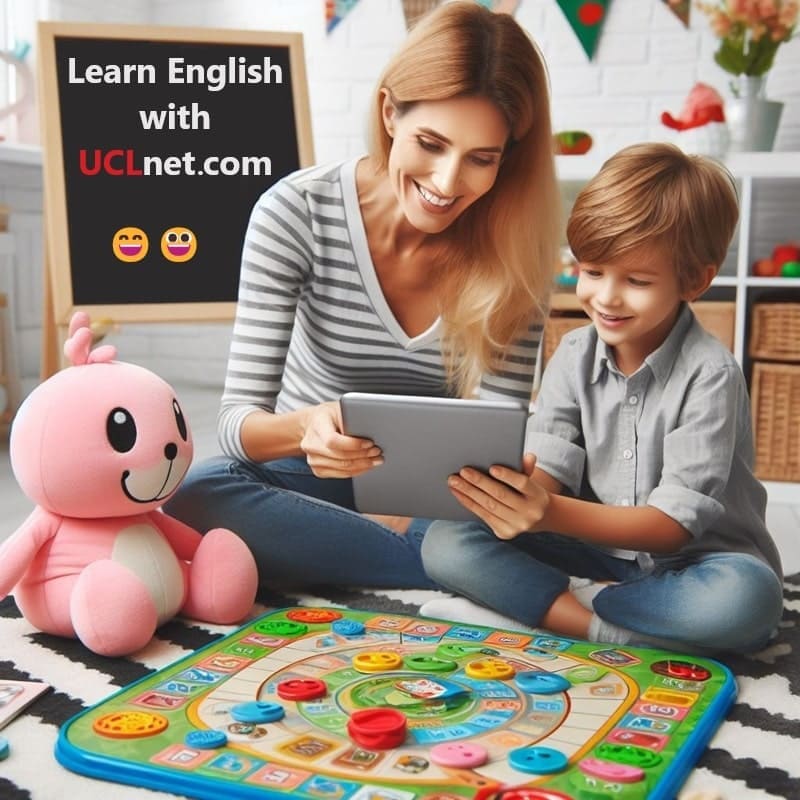
🎵 Using Songs and MusicChildren’s songs in English help children learn correct pronunciation, new vocabulary, and language rhythm in the best way. Music activates multiple areas of the brain, making language retention stronger and more natural. 📺 Watching Cartoons and MoviesEducational English cartoons with original audio or simple subtitles are an excellent source for familiarity with real conversation. Repeating favorite parts helps with pronunciation and learning new words. 🏠 Creating a Language Environment at HomeThe best way to learn a language is to use it practically. You can at home:
Consistency is key when creating a language-rich environment. Even small efforts like labeling household items or singing English songs during car rides can make a big difference over time. |
Important Tips for Parents in Teaching English to Children
Remember that every child learns differently. Some may prefer visual learning through pictures and videos, while others might learn better through listening or hands-on activities. Observe your child’s preferences and adapt accordingly. |
ConclusionTeaching English to children from an early age is a high-return investment for your child’s future. This not only helps brain and cognitive development but also impacts their social identity and future job opportunities. By using methods such as games, stories, songs, cartoons, and creating a language environment at home, you can make your child interested in English and make the learning process enjoyable for them. Start today with small, consistent steps, and watch your child’s confidence and language skills grow naturally over time! |